---
title: Complete Guide to RevOps Audits for SaaS in 2026
description: Learn how to run a revenue operations audit for your SaaS team. Covers process alignment, data quality, tech stack, and choosing the right audit partner.
image: https://purplenerd.com/hubfs/Process%20Management%20on%20the%20Mechanism%20of%20Shiny%20Metal%20Gears..jpeg
---
- [Home](https://purplenerd.com/#home)
- [Services](https://purplenerd.com/rev-ops-services)
- [Contact](https://purplenerd.com/blog/complete-guide-to-revops-audits-for-saas-in-2026#contact)
- [Blog](https://purplenerd.com/blog)
- [Partners](https://purplenerd.com/partners)
# Complete Guide to RevOps Audits for SaaS in 2026
[Rev Ops](https://purplenerd.com/blog/tag/rev-ops) [Audit](https://purplenerd.com/blog/tag/audit) [Guide](https://purplenerd.com/blog/tag/guide)
 [Becka Dente](https://purplenerd.com/blog/author/becka-dente)

I walked into a mid-market SaaS company last quarter expecting a routine CRM health check. What I found was three teams running on completely different definitions of "qualified pipeline," two conflicting lead routing workflows, and a customer success motion with zero visibility into what sales had promised during the deal cycle.
Nobody was doing anything wrong, exactly. They just hadn't looked at how their [revenue operations](https://purplenerd.com/) actually connected across departments in over eighteen months.
That's what a RevOps audit is really about. Not pointing fingers or producing an 80-page deck nobody reads. It's about pulling back the curtain on how your go-to-market engine actually runs and building a prioritized plan to fix the gaps.
For SaaS teams running complex GTM models, this kind of structured review can be the difference between a pipeline that stalls and one that accelerates.
This guide covers what RevOps audits actually include, how to scope one properly, and how to evaluate whether you need an external partner or can run one yourself.
If you're a VP of Revenue Operations, a Head of Sales Ops, or a founder wearing the ops hat, you'll walk away with a practical framework you can apply to your own org.
## Key Takeaways: The Complete Guide to RevOps Audits for SaaS
- A RevOps audit evaluates alignment across sales, marketing, and customer success to surface hidden revenue gaps.
- SaaS teams with complex GTM models benefit most when audits cover process, data, tech stack, and team handoffs.
- Audit scope should match your organization's maturity stage, from early-stage to scaling to enterprise.
- Purple Insights runs bespoke RevOps audits that deliver clear findings and prioritized action plans, not bloated reports.
- Choosing the right audit partner depends on hands-on experience, CRM depth, and cultural fit with your team.
## What Is a RevOps Audit and Why Does It Matter for SaaS?
A RevOps audit is a structured evaluation of how your revenue-generating functions work together. It examines processes, data quality, technology usage, and team alignment across sales, marketing, and customer success. The goal is to surface where breakdowns happen and what to fix first.
For SaaS companies, this matters more than it does in most industries. Your revenue model depends on acquisition, expansion, and retention working as a connected engine.
When marketing hands off leads that sales doesn't trust, or when customer success can't see what was sold, you lose revenue at every stage of the [customer journey](https://purplenerd.com/blog/7-ways-revops-consulting-improves-customer-journeys).
According to [Gartner research](https://www.gartner.com/en/newsroom/press-releases/2021-05-17-gartner-predicts-75--of-the-highest-growth-companies-), 75% of the highest-growth companies will deploy a RevOps model. The companies that grow fastest are the ones that treat operational alignment as a strategic advantage, not a back-office function.
## Who Should Run a RevOps Audit?
Typically, the audit is owned by whoever holds the [RevOps function](https://purplenerd.com/blog/revops-adeliverables-saas-teams-should-expect) in your organization. That could be a VP of Revenue Operations, a Head of Sales Ops, or a marketing operations leader who's been pulled into cross-functional work. In smaller SaaS companies, it might be the founder or COO.
The question isn't just who leads it. It's whether they have enough distance from daily operations to see the patterns. I've run audits where the ops leader knew something was off but couldn't pinpoint it because they were too close to the day-to-day.
Bringing in an external perspective (someone who's seen a hundred different CRM setups and GTM configurations, can you even imagine?) can accelerate the diagnosis dramatically.
That said, an internal audit works well when you have documented processes and a team willing to be honest about where things break. The key is having someone who can look at the system holistically, not just from one department's viewpoint.
## When Is the Right Time for a RevOps Audit?
There's no single trigger that tells you it's time. But certain patterns keep showing up across the SaaS teams I've worked with.
If your forecast accuracy has been inconsistent for two or more quarters, that's a signal. If your [sales and marketing teams](https://purplenerd.com/blog/9-signs-you-need-revops-consulting-in-2026) can't agree on what counts as a qualified lead, that's another.
Other common triggers include a recent CRM migration, a shift in your go-to-market motion (like moving from inbound-led to outbound-led), or a spike in customer churn nobody can explain with a single data point.
Post-acquisition integration is another moment where audits deliver fast value, because you're suddenly reconciling two different operational playbooks.
The worst time to run an audit is after a full quarter of missed targets when leadership is looking for someone to blame. Audits work when they're proactive, not reactive. The goal is to find and fix gaps before they show up in your revenue numbers.
## The Five Core Areas of a RevOps Audit
A thorough audit doesn't look at just one thing. It examines five interconnected areas that together determine how effectively your GTM engine converts activity into revenue. Let's walk through each one.
### Process Alignment Across Sales, Marketing, and Customer Success
This is where most audits start, and where the biggest surprises live. You're looking at how leads flow from marketing to sales, how deals move through stages, and how won customers transition to the success team. Map each handoff and check whether the criteria are documented, agreed upon, and actually followed.
I've seen SaaS teams where the lead scoring model hadn't been updated in over a year, even though the product, pricing, and target persona had all changed. That kind of drift is invisible until you audit it.
At [Purple Insights](https://purplenerd.com/), when we run a RevOps Audit, we look at how well your sales and marketing motions actually connect. Misaligned handoffs are one of the fastest paths to [pipeline leakage](https://purplenerd.com/blog/why-revops-alignment-breaks-inside-company-silos).
### Data Quality and CRM Hygiene
Your CRM is only as useful as the data inside it. A RevOps audit should evaluate field completion rates, duplicate record volumes, and data entry consistency.
Is your team actually using the fields that matter for reporting? (Not to mention, doing these reviews is a great chance to make sure all your description fields are filled in.)
One metric I always check: what percentage of closed-lost deals have a documented reason code? If that number is below 70%, you're missing critical intelligence about why prospects say no. That data feeds everything from product roadmap decisions to sales enablement priorities.
Data hygiene isn't glamorous, but it's foundational. If your [CRM data](https://purplenerd.com/blog/maximizing-business-intelligence-through-effective-crm-customization) can't be trusted, none of the reports or dashboards built on top of it will tell you the truth.
### Tech Stack Integration and Utilization
SaaS companies love adding tools. The average mid-market revenue team runs a bevy of tools across marketing automation, CRM, outreach, analytics, and customer success. The audit question isn't whether you have enough tools. It's whether those tools talk to each other and whether your team actually uses them.
Look for data silos, manual export-import workflows, and tools with low adoption rates. I once audited a company paying for three different analytics platforms, and the sales team was still pulling numbers from a Google Sheet.
Purple Insights helps you evaluate your [tech stack strategy](https://purplenerd.com/blog/7-ways-fractional-revops-supports-gtm-teams) so your tools work together instead of against each other.
### Pipeline Health and Forecasting Accuracy
Your pipeline should reflect reality. That sounds obvious, but pipeline bloat is one of the most common problems in SaaS orgs. Deals that haven't moved in 60 days are clogging up your forecast, making it harder to see the forest through the trees on what's real and what's wishful thinking.
A good audit examines stage conversion rates, average deal velocity, and whether your forecasting methodology matches your actual sales cycle. If your average close cycle is 90 days but you're forecasting deals from yesterday as "commit" for this quarter, something is off.
Forecast accuracy isn't just a reporting problem. It's a planning problem that affects hiring, marketing spend, and board expectations.
### Revenue Attribution and Reporting
Can you trace a closed-won deal back to the marketing campaign or sales motion that created it? If your attribution model is broken, incomplete, or not trusted by both marketing and sales, you're making investment decisions with incomplete information.
Audit your reporting infrastructure. Check whether your dashboards reflect the metrics your leadership team actually uses to make decisions. Look for gaps between what's reported and what's real.
I've walked into orgs where the marketing team reported MQLs that sales didn't recognize, and the sales team tracked pipeline in a spreadsheet marketing couldn't access. Fixing those disconnects is [one of the first things](https://purplenerd.com/blog/10-questions-before-hiring-a-revops-consultant) a solid audit should surface.
## How to Scope a RevOps Audit for Your SaaS Organization
Scoping the audit is where many teams get tripped up. Try to cover everything at once and you'll drown in findings with no clear path to action. Go too narrow and you'll miss the root causes behind your symptoms.
Start by defining what prompted the audit. Is it a specific problem (like poor forecast accuracy) or a broader concern (like post-merger integration)? Match your scope to your trigger.
A focused audit on pipeline health and forecasting can be completed in two to three weeks. A full cross-functional audit covering all five core areas typically takes four to six weeks.
Define your success criteria upfront. What does a good outcome look like? For most SaaS teams, it's a prioritized list of findings with estimated effort and impact, not a laundry list of everything that could be improved. You want to walk away knowing what to fix first, second, and third.
## Building Your RevOps Audit Framework: A Step-by-Step Approach
Here's a practical framework you can adapt to your own org. This isn't a one-size-fits-all checklist. It's a set of steps that work whether you're a 50-person startup or a 500-person scale-up.
### Step 1: Document Your Current State
Before you can fix anything, you need to map what exists. Interview folks from sales, marketing, and customer success. Document every handoff, every automation, every report that's actively used.
Don't assume you already know how things work. The gap between how people think a process works and how it actually works is where the real findings live.
### Step 2: Identify Your Revenue Bottlenecks
With the current state documented, look for bottlenecks. Where do leads stall? Where do deals die? Where do customers churn? Use data from your CRM and marketing automation platform to quantify the impact. A bottleneck that affects 5% of your pipeline is a different conversation than one that affects 40%.
### Step 3: Evaluate Your Tech Stack and Data Flow
Map every tool in your revenue tech stack and trace the data flow between them. Look for manual processes, broken integrations, and tools that overlap in functionality. Ask each team: which tool do you actually use for this workflow? The answer often differs from what's on the architecture diagram.
### Step 4: Assess Team Alignment and Communication
This is the human side of the audit. Do your teams have shared definitions for key terms like "qualified lead," "commit forecast," and "at-risk account"? Are there regular cross-functional meetings where sales, marketing, and customer success review shared metrics? If alignment only happens at the quarterly business review, that's not enough.
### Step 5: Prioritize Findings and Build Your Action Plan
Rank every finding by two dimensions: impact on revenue and effort to fix. High-impact, low-effort items go first. High-impact, high-effort items get scheduled into the next quarter. Low-impact items get deprioritized or tabled. The goal is a 90-day action plan that your team can actually execute, not a wish list.
## How to Evaluate a RevOps Audit Partner
Not every consulting firm that claims to do RevOps audits actually has the depth to deliver tangible results. Here's what to look for when evaluating a partner.
**Hands-on implementation experience:** The partner should have direct, recent experience building and optimizing CRM systems, not just advising on them. Ask for specifics. How many implementations have they completed? Which platforms do they know deeply?
Purple Insights brings 20+ years of hands-on cloud technology experience and [100+ CRM implementations](https://purplenerd.com/blog/10-causes-of-sales-marketing-and-success-misalignment) to every engagement. That means audit recommendations grounded in what actually works in production.
**Cross-functional perspective:** The partner needs to understand sales, marketing, and customer success operations, not just one function. A sales ops consultant may miss the marketing automation gaps that are starving the pipeline. A marketing ops specialist may not see the forecasting problems downstream.
**Bespoke approach:** Be cautious of partners who run the same audit playbook for every client. Your SaaS business has a specific GTM model, a specific tech stack, and specific growth challenges. The audit should be tailored to your situation.
At Purple Insights, we take a hard look at your CRM setup, your data quality, your pipeline processes, and how well your teams actually connect. You'll get a clear picture of what's broken, what's fixable, and what to prioritize.
**Actionable deliverables:** Ask what the output looks like. If the answer is "a slide deck," keep looking. You want a partner who delivers a prioritized action plan with specific recommendations, timelines, and ownership assignments. No fluff, no bloated reports.
## Common Mistakes SaaS Teams Make During RevOps Audits
Even well-intentioned audits can go sideways. Here are the patterns I see most often.
**Auditing in a silo:** If only the ops team is involved, you'll miss the cross-functional disconnects that cause the biggest problems. Include frontline reps, customer success managers, and marketing leaders in the process.
**Focusing on tools instead of process:** It's tempting to blame the tech stack, but tools don't create alignment. Process does. Make sure the audit examines how work gets done before it evaluates the systems that support it.
**Skipping the data quality check:** Every dashboard and report is only as reliable as the data feeding it. Skipping the data hygiene review means you're building recommendations on top of an unreliable foundation.
**Not assigning ownership:** An audit without follow-through is just an expensive discovery exercise. Every finding should have an owner, a timeline, and a definition of done.
## What Happens After the Audit?
The audit is just the beginning. The real value comes from what you do with the findings. Here's what a healthy post-audit cadence looks like.
In the first two weeks, share the results with leadership and the cross-functional team. Get alignment on priorities. This is where disagreements surface, and that's a good thing. Better to debate priorities now than to discover misalignment six months into implementation.
Over the next 90 days, execute on the highest-impact items. Schedule weekly check-ins to track progress. Use the audit findings as a living document, not a static report. As you fix the first round of issues, new ones will surface. That's normal.
At the 90-day mark, do a mini-review. What's improved? What hasn't moved? Adjust your plan based on results.
Some SaaS teams choose to bring in a [Fractional RevOps Partnership](https://purplenerd.com/) at this stage. That means embedding an experienced operator on a retainer basis to keep the momentum going, building process, cleaning data, and aligning the stack.
## In Conclusion: How to Make Your RevOps Audit Count
A RevOps audit isn't a one-time event. It's the first step in building an operational discipline that keeps your GTM engine running the way it should. The SaaS teams that grow fastest treat this work as ongoing, revisiting their processes, data, and tech stack alignment on a regular schedule.
Where do the biggest operational gaps live in your organization right now? Go find them. Shine a light on the handoffs that nobody owns, the data that nobody trusts, and the tools that nobody uses.
Then build a plan and start fixing. Your revenue numbers will reflect the work. And alignment is a beautiful thing.
## FAQs About RevOps Audits for SaaS Teams
### What does a RevOps audit typically cost for a SaaS company?
Costs vary based on scope and company size. A focused audit on one area (like pipeline health) can take two to three weeks, while a full cross-functional audit may run four to six weeks. Purple Insights delivers bespoke RevOps audits tailored to your specific GTM model and challenges.
### How often should a SaaS team run a RevOps audit?
At minimum, once a year. If you're growing quickly, changing your GTM motion, or going through a merger, more frequent reviews make sense. What I am suggesting is that you review your operations on a regular schedule so gaps don't compound over time.
### Can a RevOps audit help with customer retention?
Absolutely. One of the most common audit findings is a breakdown in the handoff between sales and customer success. When CS teams don't have visibility into what was sold or promised, renewals and expansions take a hit.
Purple Insights examines how well your customer success integration connects to the rest of your revenue engine.
### What's the difference between a RevOps audit and a CRM audit?
A CRM audit focuses narrowly on your CRM platform's configuration, data quality, and utilization. A RevOps audit goes broader, examining cross-functional processes, team alignment, tech stack integration, and revenue attribution across sales, marketing, and customer success. Purple Insights covers both dimensions as part of every RevOps engagement.
### Do I need an external partner for a RevOps audit or can I do it internally?
You can do it internally if you have documented processes and a team willing to be candid. An external partner adds value through fresh perspective, pattern recognition from working across many orgs, and the ability to surface issues that internal teams may be too close to see.
### How does a RevOps audit differ from a sales operations audit?
Sales operations audits focus on sales team efficiency: CRM configuration, pipeline management, and sales enablement. A RevOps audit orchestrates across the entire revenue lifecycle, including marketing alignment, customer success integration, and unified data architecture. Purple Insights brings a cross-functional lens to every audit engagement.
## Recent Blog Posts
[](https://purplenerd.com/blog/complete-guide-to-revops-audits-for-saas-in-2026)
[Rev Ops](https://purplenerd.com/blog/tag/rev-ops) [Audit](https://purplenerd.com/blog/tag/audit) [Guide](https://purplenerd.com/blog/tag/guide)
#### [Complete Guide to RevOps Audits for SaaS in 2026](https://purplenerd.com/blog/complete-guide-to-revops-audits-for-saas-in-2026)
I walked into a mid-market SaaS company last quarter ...
## Recent Blog Posts
[](https://purplenerd.com/blog/7-revops-tech-stack-decisions-for-mid-market-teams-2026)
[Rev Ops](https://purplenerd.com/blog/tag/rev-ops) [technology](https://purplenerd.com/blog/tag/technology)
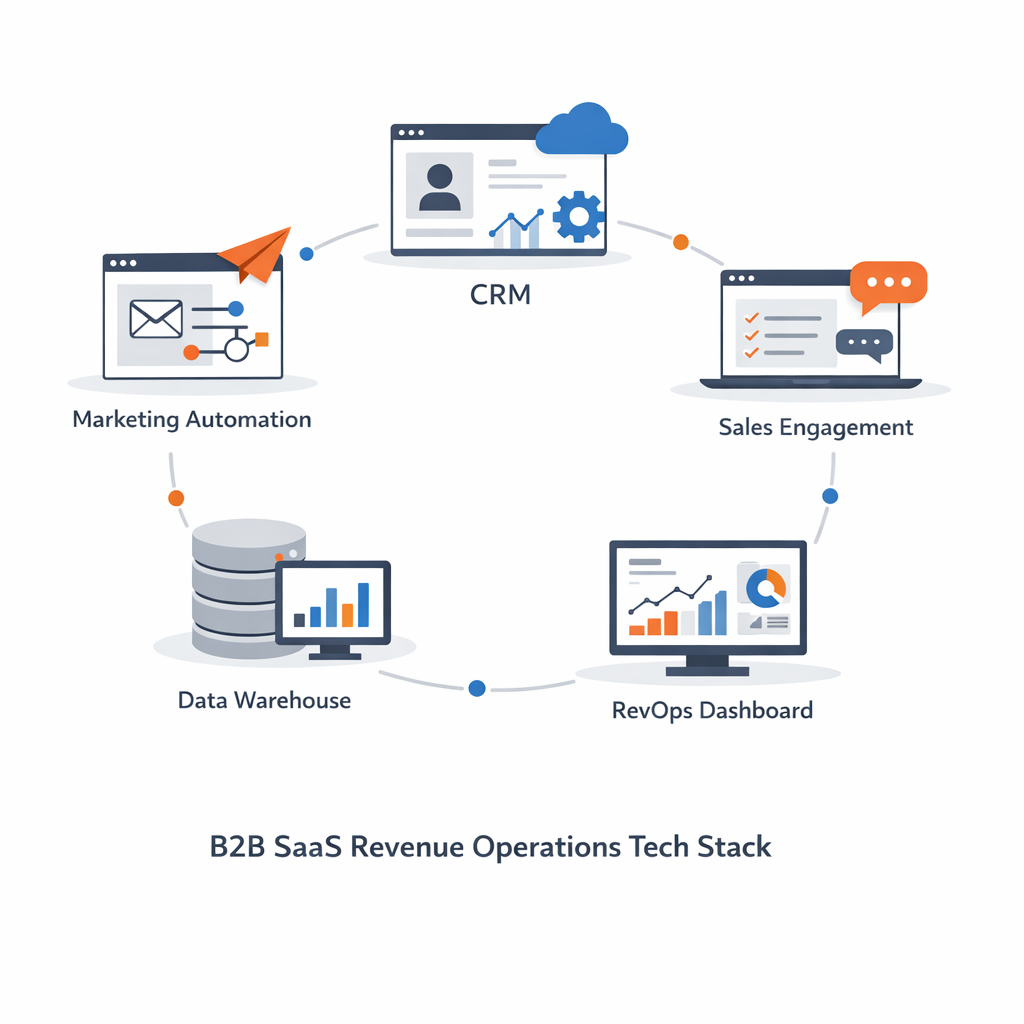
#### [7 RevOps Tech Stack Decisions for Mid-Market Teams](https://purplenerd.com/blog/7-revops-tech-stack-decisions-for-mid-market-teams-2026)
Mid-market companies sit in a tough spot when it comes to ...
## Recent Blog Posts
[](https://purplenerd.com/blog/10-reasons-small-businesses-struggle-with-crm-migration-2026)
[Rev Ops](https://purplenerd.com/blog/tag/rev-ops) [CRM](https://purplenerd.com/blog/tag/crm) [Migration](https://purplenerd.com/blog/tag/migration) [Data](https://purplenerd.com/blog/tag/data)
#### [10 Reasons Small Businesses Struggle With CRM Migration](https://purplenerd.com/blog/10-reasons-small-businesses-struggle-with-crm-migration-2026)
Your new CRM was supposed to fix everything. Better ...
-
-
-
© 2026 by Purple Insights Inc
[info@purplenerd.com](mailto:info@purplenerd.com)
```json
{
"@context" : "https://schema.org",
"@type" : "BlogPosting",
"author" : {
"@type" : "Person",
"name" : "Becka Dente",
"url" : "https://purplenerd.com/blog/author/becka-dente"
},
"dateModified" : "2026-11-23T13:45:00.368Z",
"datePublished" : "2026-11-23T13:45:00.000Z",
"headline" : "Complete Guide to RevOps Audits for SaaS in 2026",
"image" : [ "https://purplenerd.com/hubfs/Process%20Management%20on%20the%20Mechanism%20of%20Shiny%20Metal%20Gears..jpeg" ],
"mainEntityOfPage" : {
"@id" : "https://purplenerd.com/blog/complete-guide-to-revops-audits-for-saas-in-2026",
"@type" : "WebPage"
},
"publisher" : {
"@type" : "Organization",
"logo" : {
"@type" : "ImageObject",
"url" : "https://purplenerd.com/hubfs/logo-transparent-svg-1.svg"
},
"name" : "Purple Insights"
}
}
```